
Robot Applications Improve Factory Productivity
Industrial robots are being integrated into applications across the globe as they are bringing greater productivity and efficiency to the production floor. These robots are accomplishing tasks from assembly to material handling to welding and doing so with no breaks or vacations! An example of the benefits of integrating an industrial robot is seen with robotic welders. An automated welding system can accomplish welds four times as fast as one human welder.

Industrial robots have been working in factories around the world since the 1960s. The first robot applications were as simple as painting, and later moved on to assembly, welding and many more material handling, welding, dispensing and removal processes – more than anyone ever dreamed of in the 1960s, that is for sure.
One of the applications that robots are commonly used for is welding: both arc welding and spot welding. Arc welding and spot welding are robotic applications in many cases because of the efficiency of using a robotic welder for an application, as opposed to a human welder. A robotic welder can weld four times as fast as one human welder, and that speed translates into faster production for the rest of the line.
A similar speed goes into the material handling applications that robots can perform. These applications range from picking, packaging, palletizing, assembly, etc. A human counterpart cannot match the speed and accuracy that comes with a robotic material handler for any application. On top of being able to move quicker and more effectively, these jobs seem to be tedious, dull and repetitive, which can lead to injuries to muscles like the back, neck and arms. Once again, this is why robotics are preferred for these applications.
Safety is also a concern in material removal and dispensing applications. Robot applications like painting and deburring can release particles and fumes into the air that can be hazardous to humans and cause respiratory and neurological issues. By using robots for these applications, human workers are kept out of harm’s way, while also using less material and making less errors, which cause less waste. This means the company can save money on materials and time.
Do any of these robotic applications sound interesting to you? Would you like to learn more about robots and the applications they can perform? If so, you should contact Robots.com, a certified integrator for several robotics companies, including Fanuc, KUKA, ABB, Universal Robots, and Motoman. Our staff will help you decide which robot system is right for you, and then walk you through the step by step building and customization of your system.
For more information, contact Robots.com today online or at 877-762-6881.
Related Articles
You might be also interested in:
- Featured
Latest Advancements in Material Cutting Robotics
Read about the latest technological advancements in robotic material cutting.
- Featured
Emerging 3D Vision Technologies for Industrial Robots
Learn about the emerging 3D vision technology that businesses are using for industrial robot applications.
- Featured
Most Popular Industrial Robotic Applications for 2021 and Projections
Explore the most popular application trends of 2021 and what to expect in the future.
- Featured
MAG Welding Defined
Automating your MAG welding process will help to bring faster and more consistent cycle times. A robotic MAG welder will also help to improve the weld quality, helping your customer's become more satisfied with the final product. If you are interested in integrating a new or refurbished robotic system, contact Robots.com experts today.
- Featured
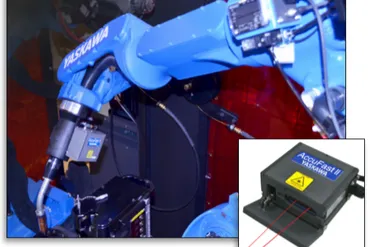
AccuFast II Tackles Seams Quickly and with Quality
Motoman provides users with add-on features to help enhance the seam finding for their automated welding line. AccuFast II offers improved sensor capabilities that provide even higher amounts of reliability. It provides more readings for a wider range of materials and angles not formerly feasible.
- Featured
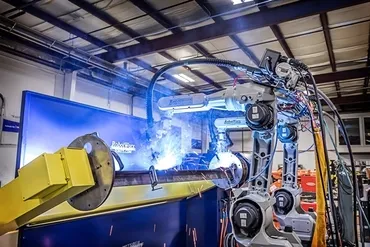
Flexible Manufacturing Lines
Each year the automation industry continues to innovate and bring solutions that will improve the productivity, flexibility, and efficiency on a wide range of production lines. This is seen with the flexible manufacturing that enables a robot to work on different types of products in the same workcell. Flexible manufacturing lines help to provide an increase in productivity and manufacturing volume.
Let's talk!
Request your quick quote today.